
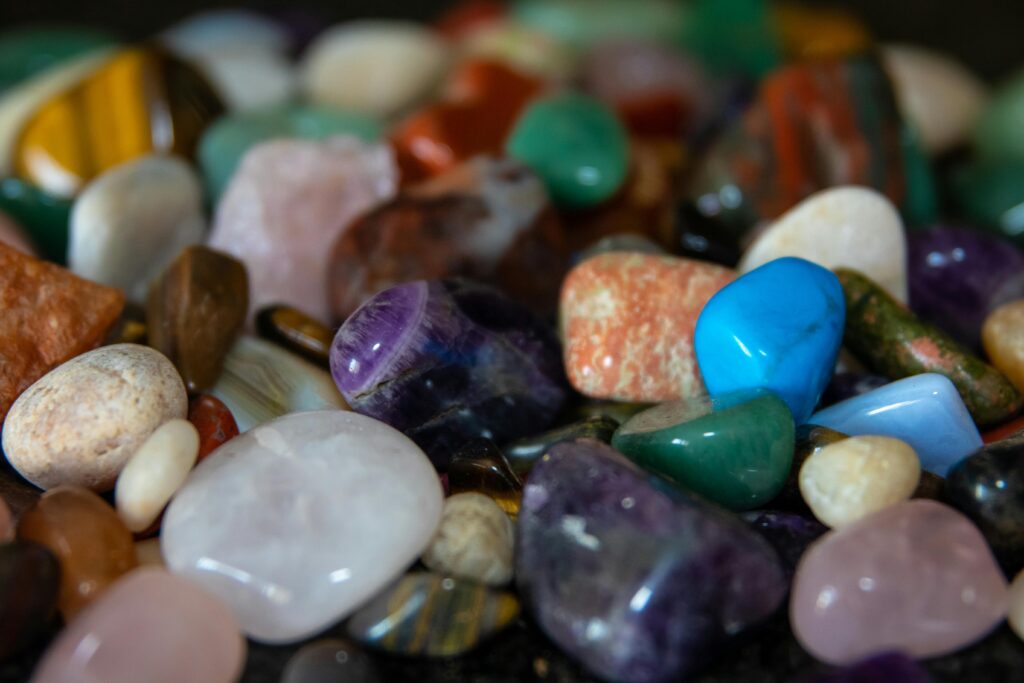
Brazil sits on long-lived geological belts that formed deep in Earth and later moved upward through time. This mix of ancient rock, volcanic activity, and later heat-and-pressure events created many different mineral types.
Brazil also has a long mining history, ranging from early artisanal digging to modern commercial operations. Some gems were discovered locally and then became globally famous as traders and lapidaries refined cutting and grading practices.
From a gemology point of view, Brazil is a “variety country.” That means the country can produce many gemstone species at attractive sizes, colors, and workable qualities, including stones that collectors target specifically.
Below is a structured overview of headline gemstones from Brazil, plus what to commonly expect from good material. Use this as a starting map, then jump into the specific sections for deeper quality criteria.
Amethyst is a purple variety of quartz, and Brazilian amethyst is widely known for both color range and size potential. You may see light lavender tones up to deep violet, with color intensity depending on the specific material and heat history.
Common inclusions include tiny growth lines, liquid or gas features, and occasional dark “thread” or mineral residue. In many markets, the most valuable pieces look clean to the naked eye and show even color through the stone.
Some of Brazil’s best amethyst reputation comes from deposits in the southern and central regions, where quartz crystals can grow large. Traders often select material with good transparency first, then grade for shade and zoning.
Value drivers for amethyst usually include:
Aquamarine is the blue to blue-green variety of beryl, and Minas Gerais is strongly associated with many well-known lots. Color is the headline factor: buyers look for clean, cool blues that appear bright in daylight.
Many aquamarines show color zoning, meaning the blue is not perfectly uniform. A good stone may still have zoning if the overall “face-up” look is appealing, but heavy zoning can reduce value.
Clarity matters for beryl because inclusions can scatter light and reduce that “liquid” look. Inclusions can also be more visible in step cuts or larger tables, so the same rough may grade differently after cutting.
When grading aquamarine, common quality expectations include:
Alexandrite is a rare chrysoberyl variety famous for changing color under different light sources. In daylight it may appear greenish to gray-green, while under warm incandescent or candle-like light it can shift toward red to purplish red.
This effect is linked to how the stone absorbs light, which is sometimes described using “pleochroism.” Pleochroism simply means the stone shows different colors when viewed from different directions or under different lighting.
Pricing is sensitive because buyers pay for both the strength of color-change and the overall appearance. Two stones can have similar carat weight but different value if one shows a strong “red flash” while the other remains muted.
To evaluate alexandrite quality, look for:
Imperial topaz is a premium topaz type associated with warm golden to orange “imperial” colors. Topaz itself is a silicate mineral, and its beauty comes from color saturation, clarity, and how the cut directs light.
Buyers usually prioritize stones with rich color rather than pale yellow. When you see terms like “imperial,” it often signals a market preference for deeper, more desirable orange-gold shades.
Be aware that topaz can be treated in the gem trade, and treatments may affect how color is described. Reputable sellers explain whether a stone has been treated and what type of treatment is relevant for that gem.
Key points to watch include:
Tourmaline is one of Brazil’s most colorful exports, with vivid greens, pinks, reds, blues, and many multicolor combinations. Because tourmaline forms in varied geological conditions, Brazilian material can show unusual color zoning and distinct crystal habits.
In practice, tourmaline quality depends heavily on how the color is distributed within the finished stone. A crystal can be impressive in rough, but the lapidary cut choice determines whether the final gem displays the best color face-up.
When comparing rough versus cut, pay attention to “color zoning.” This simply means the stone has different color regions, which may create a striped or banded appearance in the finished gem.
What to look for in tourmaline:
In the gem market, “emerald” is a specific name for green beryl. However, many green beryl stones sold as “emerald” may involve different levels of treatment, and some are more accurately described as green beryl rather than true emerald-quality material.
Emeralds also commonly contain inclusions called “jardin,” a French term meaning garden-like. These inclusions are typical and do not always mean the stone is low quality, but they do affect clarity grade and price.
Treatments are a key topic for green beryl and emeralds. Many emeralds use oil or resin enhancement to reduce the appearance of visible inclusions and improve transparency.
Quality considerations include:
Brazil’s gem deposits are spread across multiple states, and each area often has a different “style” of gemstone. The geology varies, so the types of minerals and typical impurities can change from region to region.
Keep in mind that markets and jewelry buyers may link certain stones to certain states even when the exact mine or deposit is not always stated publicly. When origin is important to you, ask for as much detail as the seller can provide, including region and whether the stone came from a known cutting center.
Minas Gerais is one of the best-known hubs for Brazilian gem material and trading activity. Many travelers hear this state’s name because it combines mining proximity with a strong culture of cutting, sorting, and sales.
In markets, you’ll often encounter aquamarine lots, along with related beryl and quartz material. You may also see tourmaline in different colors because Brazil’s tourmaline occurrences extend beyond a single state.
What travelers commonly find while shopping in Minas Gerais includes:
Bahia is often mentioned for certain tourmaline-related discoveries and specialized crystal materials. Its geological settings can create conditions for distinct color types, which traders then brand for their local identity.
Tourmaline is the most recognizable gemstone category linked to Bahia in many retail contexts. You may also encounter other mineral varieties depending on current supply and market demand.
When shopping Bahia-linked items, a practical approach is to focus on the stone itself rather than only the state label. Strong color, good cutting, and clear disclosure of any treatments will tell you more about value than the location alone.
Crystalline growth conditions in Rio Grande do Norte and neighboring states have helped produce tourmaline discoveries that became globally discussed. These regions are especially associated with vivid, high-energy color in some tourmaline styles.
In this part of Brazil, the “look” buyers seek is often intense color saturation rather than subtle shades. That’s why you’ll see many marketing terms connected to local discoveries, even though the final quality still varies stone by stone.
Popular categories you may see include:
Brazil is too large to reduce gem production to only two or three locations. Several other states contribute, either through mining or through active cutting and trading.
For example, amethyst and quartz deposits can be associated with multiple regions, and topaz and other stones may also appear in different parts of the country. Market availability changes with new production and seasonal travel demand.
If you’re planning a shopping trip, consider focusing on the stone species first, then ask sellers which regions are currently supplying that material. This often leads to better deals because you buy from current inventory rather than from hype.
Gem buying is not only about the gemstone type. It’s also about how a particular stone performs when cut and polished, including color stability, internal clarity, and the way light travels through the material.
A practical checklist reduces risk. Use it in-store and keep notes (or photos) of what you saw, because comparisons become easier once you’ve documented the details.
The “Four Cs” are a universal way to evaluate gem value: color, clarity, cut, and carat. For most gemstones, this framework helps you separate “pretty” from “rare and expensive.”
Color: Color is usually the biggest driver for most Brazilian gemstones. Look for even distribution and avoid stones that look good only under one kind of lighting.
Clarity: Clarity describes internal features like inclusions and cloudiness. For gems like emerald and alexandrite, inclusions may be typical, but you still want to judge how much they affect brilliance and appearance.
Cut: Cut includes design, proportions, polish, and symmetry. A poor cut can waste the best parts of a stone and make color look weaker or darker.
Carat: Carat is weight, but weight often correlates with rarity and price. Still, a smaller stone with superior color can outvalue a larger one that looks dull or lifeless.
Many gemstones are treated to improve color or clarity, and this is normal in parts of the industry. The key is whether treatment is disclosed and whether the stone’s final look matches the price you paid.
Common treatment practices can include heating, irradiation (for certain colors), and clarity enhancement by oils or resins in specific gem types. “Treatment transparency” means the seller tells you clearly what was done.
Market signals to watch include:
Certification and provenance are your best tools for confirming what you’re buying. “Provenance” means the documented history of where the stone came from and how it was handled.
Many gemstones in tourist markets are sold with minimal paperwork, especially for small jewelry. That does not automatically mean it’s wrong, but it means you should rely more heavily on careful visual assessment and reputable seller policies.
Questions to ask include:
Buying gemstones in Brazil can be rewarding, especially if you approach it like a buyer and not like a tourist impulse shopper. Decide your budget range and target look before you enter a shop.
Plan for comparisons, because the same gemstone type can vary widely in color grade and treatment. If possible, view stones in natural daylight or a consistent light source to reduce color confusion.
Reputation matters as much as the stone itself. A reliable seller usually offers clear descriptions, shows you the gem close-up, and communicates treatment and return policies openly.
Practical ways to evaluate a seller include:
Counterfeits or mislabels can include glass imitations, synthetic stones, or stones sold with an incorrect species name. While the risk varies by shop and price level, your best defense is asking for identification and examining the stone yourself.
Choosing rough or cut depends on your goals, budget, and risk tolerance. Rough can be cheaper per carat, but it carries the uncertainty of how the final cut will look after a lapidary decides the yield and design.
Cut stones are easier to evaluate because you see the final color distribution and proportion. You also reduce the chance that the “best parts” of the rough are wasted during cutting.
Rough is often best for:
Cut is often best for:
Negotiation is common in many gem markets, but it should be based on quality, not just speed. If you understand the stone’s color grade, inclusions, and cut quality, your offer becomes more fair and rational.
Pricing signals you can use include how the seller explains the stone. Transparent sellers discuss why one stone costs more than another, while vague sellers may focus only on the final price.
For safe transactions, consider:
Be careful with pressure tactics. If a seller insists you buy immediately without allowing close inspection or written information, pause and shop around.
Brazilian gemstones are often showcased in jewelry designs that highlight color and clarity. Because many Brazilian stones are vibrant, makers frequently use settings that maximize light return and face-up brightness.
Jewelry style also depends on the gemstone’s hardness and typical inclusion patterns. For example, stones with more delicate features may be set in protected designs to reduce risk from knocks and impacts.
For engagement rings, durability and everyday practicality matter. While every gem has a place, the best choices often include stones with good hardness and stable appearance under normal wear.
Statement cuts are common because they show off color quickly. Cuts like cushions, emerald cuts, and modified brilliant designs can create a strong “first glance” look at the center stone.
Popular gemstone choices often include:
Alexandrite can also appear in statement rings, but it is rarer and more expensive, so buyers usually treat it as a high-value collectible piece. For emerald-like stones, many people choose protective settings because inclusions and treatments can affect long-term care needs.
Birthstone themes and touristic souvenirs heavily influence what is sold in common travel areas. Sellers often offer ready-to-wear items like earrings, pendants, and small rings that use bright Brazilian color.
Local designs may incorporate Brazilian-inspired aesthetics, such as leaf or floral motifs, because these shapes frame gemstone colors well. Even when jewelry is mass-made, you can still select better-quality stones by focusing on color saturation and clarity face-up.
For souvenirs, your goal should be value and honest labeling rather than chasing perfect gem specs. If the shop provides treatment info and clear gemstone type identification, you can buy confidently at many budget levels.
Responsible sourcing focuses on how gemstones are mined, processed, and sold. In many mining regions, environmental and labor risks can exist, so transparent supply chains are important for ethical purchasing.
“Responsible mining” does not mean every operation is perfect, but it means there are safeguards, monitoring, and accountability. As a buyer, you can’t verify every detail yourself, but you can ask good questions and support sellers who provide documentation.
Good retailers should be able to speak at least generally about their sourcing standards. You may not get mine-level details, but you can learn whether they take ethics seriously.
Consider asking:
If a seller cannot answer anything and becomes defensive, it may indicate a lack of transparency. For high-value purchases, that uncertainty should affect your risk decision.
Transparent supply chains matter because they connect the stone to accountability. When sellers provide provenance, treatment notes, and clear grading information, you can evaluate the purchase honestly.
To support better practices, prioritize:
Your purchasing choices are also part of the market. When buyers reward transparency, sellers have more incentive to maintain ethical sourcing systems.
Brazil can be an ideal destination for gemstone research because you can connect what you learn in advance with what you see in markets. Before traveling, pick a few gemstone types and learn their typical look and quality drivers.
Plan to spend time comparing multiple stones rather than buying the first item that matches your color preference. Markets can be crowded, and sellers may show you similar-looking stones with different values based on clarity, cut, and treatments.
Common shopping options include gemstone markets, workshop-style cutters, and specialty jewelry stores. Markets offer variety, while workshops can offer more insight into rough-to-cut decisions.
To find the best shopping areas, follow these practical steps:
If you want educational value, ask a shop owner to explain how they grade a specific stone. Even a brief explanation can teach you which features affect price in that shop’s market.
Availability can change with new mining supply and trade cycles, so timing affects your choices. Even within the same city, the best selection may appear at different times of year.
Seasonal travel can also influence pricing because tourists increase demand. If you want stronger negotiating power, plan for quieter shopping days and compare more stores before committing.
Practical timing tips include:
This section answers the most common questions travelers and buyers ask when shopping for Brazilian gemstones. Use these answers as quick references while you compare stones.
The most valuable Brazilian gemstone depends on the specific stone type and the quality level. In general, rare color-change stones like alexandrite can reach very high values when the color-change is strong and the stone is clean for its type.
However, value can also favor imperial topaz when it has exceptional orange-gold saturation and strong transparency. Amethyst and aquamarine can be very affordable at good quality levels, which makes them excellent “value gems,” even if they are not the most expensive species.
Some Brazilian gemstones are frequently treated, while others are typically sold as natural with fewer common enhancements. It depends on the gemstone species and the market segment.
Emerald-like green beryl commonly involves clarity enhancement such as oil or resin, so disclosure is essential. Topaz color is sometimes enhanced, and sellers should clearly communicate any treatment status for premium stones.
Authenticity is best confirmed through a combination of documentation and careful inspection. For higher-value pieces, ask for lab reports or credible gem certification that identifies the species and any relevant treatment notes.
You can also confirm details by comparing the stone’s look to known gem behavior and by evaluating how well the seller’s description matches what you observe. Finally, choose shops with clear return policies and receipts so you have recourse if the stone does not match expectations.