
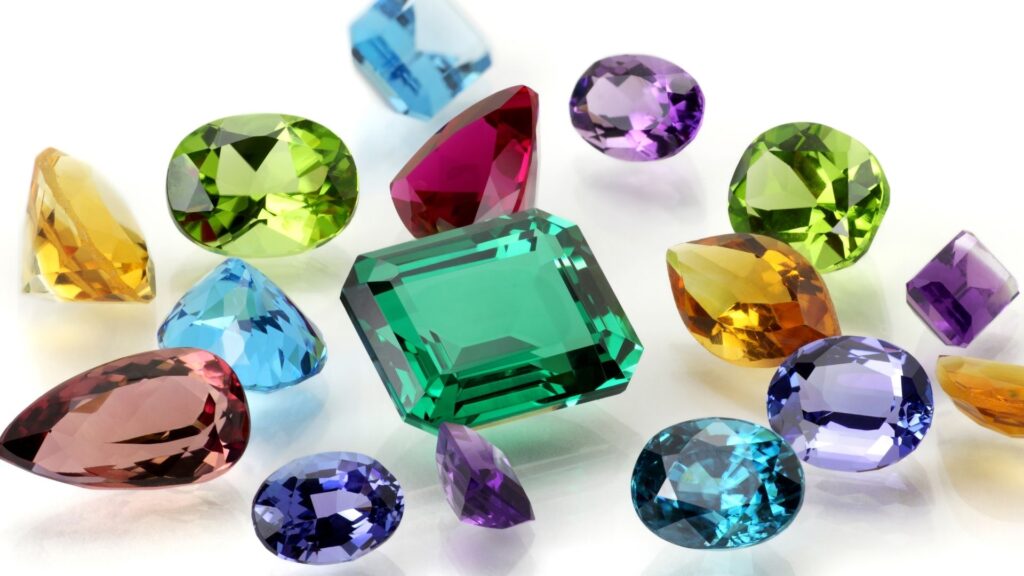
A checklist matters when buying gemstones in South America because gemstones are expensive, and small details can change value a lot. A good plan helps you compare stones fairly, verify claims, and avoid rushed purchases.
This guide helps you prepare before you travel, evaluate authenticity on the spot, and negotiate with confidence. It focuses on emeralds, sapphires, opals, and other common gem targets in the region.
Before you visit any market, decide what you can spend and how quickly you need to decide. Gem deals often move fast, but your documentation and verification should not be rushed.
Good planning also reduces “tourist market pressure,” where sellers push you toward quick cash decisions. A checklist gives you a repeatable process so you can evaluate every offer the same way.
Location affects supply, typical treatments, and how dealers present origin stories. For example, Colombia is widely associated with emeralds, while Brazil is known for several gemstone categories including aquamarine and a variety of colored stones.
Peru is often associated with opals and other specialty materials, and Bolivia is frequently linked with opal varieties like tinah (also called tinah opal). Chile and Argentina may appear less often as “mainstream” stops, but they can still be relevant depending on the route and dealer networks you use.
Start by choosing a realistic price range for your goal, not just the maximum you can pay. A budget should include extra costs like travel time for valuation, potential re-inspection, insurance, and taxes or import fees at home.
Next, decide what trade-offs you are willing to make. In gemstones, there is rarely a perfect mix of size, color, clarity, and price, and you should know which “quality lever” matters most to you.
Define “good enough” before you see inventory. When you can say what you want in one sentence, you are less likely to be sold something outside your plan.
Not every seller operates the same way, even within the same city or market. Choose a buying channel that matches your risk tolerance and your ability to verify claims.
Some buyers prefer official shops because documentation is more consistent. Others use reputable dealers who specialize in stones, but they still need a clear paperwork trail.
Unscrupulous behavior often shows up as missing information, vague answers, or pressure tactics. If you feel rushed or discouraged from asking questions, treat that as a warning sign.
Red flags do not automatically mean fraud, but they mean you cannot safely rely on the seller’s word. If you cannot verify, you should assume the worst-case scenario for value and authenticity.
Ask the same structured questions each time so you can compare offers objectively. This also prevents sellers from changing the story when you ask follow-ups.
Use this question set as your minimum standard. If a dealer cannot answer clearly, treat the offer as “unverified” until you can confirm documentation elsewhere.
Strong dealers welcome clear questions. Weak dealers either avoid the topic or answer with general statements that cannot be verified.
Before paying, confirm what you are buying at three levels: species (what gemstone it is), quality (how it looks and performs), and treatment (how it was modified). These three points determine both value and future risk.
“Species” means the gemstone type in gemology, like emerald (beryl) or sapphire (corundum). “Treatment” means any process that changes appearance or clarity, such as filling, heat, or dyeing.
Many green, blue, and opal-like stones can be confused with similar materials. Even experienced buyers can misidentify stones without reliable tools and documentation.
Ask for evidence that the stone matches the stated species and variety. If the seller cannot provide lab confirmation, you should treat the identification as unverified.
If a dealer has a lab report, verify the stone details match the exact piece you are holding. If there is no report, negotiate based on higher uncertainty or walk away.
Gemstone value is strongly affected by the stone’s size and how it is cut. Use consistent measurements, not just “it looks big.”
For small stones, weight is usually measured in carats (1 carat equals 0.2 grams). For cut stones, you also want dimensions and the cut’s proportions because proportions influence how much light you see.
Write these details down before any negotiation. If the seller later changes description or price, your notes help you keep the terms consistent.
Authenticity verification is about building a documentation trail you can follow after you leave. A lab report is useful only when it clearly describes the stone and includes key fields like identification, measurements, and treatment disclosure.
Do not rely on certificates that lack clear identification, do not mention treatment, or are missing report numbers. Also check that the report actually belongs to the stone you are buying, not just an “up to” claim.
A legitimate report should provide enough information for an independent professional to understand what it tested. The report should include gemstone identification, measurements, and clarity/color descriptors that match the seller’s description.
Different labs use different grading systems, but there are common elements you can look for. If any critical field is missing, treat the documentation as incomplete.
If you do not understand a field, ask for clarification. A helpful dealer will translate complex terms into simple language and connect them to visible features.
Many gemstones in South America’s commercial markets are treated to improve appearance. Treatment disclosure is not just a price factor; it also affects durability and how the stone should be cared for.
Clarify whether the stone has been enhanced and what kind of process was used. “Enhancement” (a general word) can include several different methods, so the type matters.
If treatment documentation is missing, you should assume the stone could be altered in ways that you cannot verify. In that case, reduce your offer price or seek a certified alternative.
Emeralds are one of the most commonly marketed South American gemstones, and they also have the highest need for careful verification. Many emeralds have inclusions and may be enhanced, but the key is whether enhancement is disclosed and documented.
This checklist helps you shop more systematically, from color preferences to paperwork. It also helps you negotiate using measurable benchmarks rather than “shop stories.”
Emerald color is typically judged by saturation (how strong the green looks), tone (how light or dark it appears), and overall evenness. Two stones with the same “green” label can look very different in bright daylight vs indoor lighting.
Emeralds also often show natural inclusions called “jardin” in many markets. “Jardin” is a French term used for visible internal growth features, and while it can affect clarity, it is not automatically a defect in emeralds.
If a seller shows only stones under one lighting condition, request to inspect under additional light. This helps you detect color shifts and uneven transparency.
Negotiation should be based on comparable stones, not just the seller’s starting number. Ask for a price justification that connects to size, quality, and certification status.
“Comparable pricing” means you compare similar stones with similar measurements, treatment status, and visible quality features. If you can’t compare like-for-like, you cannot negotiate confidently.
When negotiating, phrase your position around verifiable points. For example: “This report does not clearly confirm treatment type,” or “The measurements differ from the invoice,” are harder to ignore than “I don’t like it.”
Opals and some specialty stones behave differently from typical faceted gemstones. The biggest differences are how you evaluate color and how you think about stability and wear.
For opals, “play-of-color” is the shimmering pattern and color flashes you see as the stone moves. “Play-of-color” is not just beauty—it strongly affects value and it can vary under lighting.
Opal inspection requires attention to pattern, brightness, and stability. You should inspect using multiple lighting conditions and examine how the color flashes respond to tilt.
If you cannot see the stone move or cannot tilt it freely, insist on a new inspection. Opals often look “average” when viewed straight on, and more spectacular when angled correctly.
Ask about care requirements too. Opals can be sensitive to drying and heat, so you want clear guidance on safe storage and handling for your climate.
Fragility is a major factor for opals and some other specialty stones. A stone that is fine as a loose gem may require a protective setting if it will be worn.
Before buying, discuss whether the stone will be used in a ring, pendant, earrings, or a decorative piece. That choice affects both risk and the type of setting that is safest.
If a dealer will not discuss wearability and care, you should be cautious. A good seller should be able to explain what type of use the stone is suitable for.
Overpaying often happens when buyers focus only on the “tourist price” without connecting it to verified quality factors. A fair price depends on species identity, color quality, measurements, and treatment disclosure.
Also remember that marketplaces can include both wholesale inventory and retail markups. The same stone description might mean different treatment statuses and different documentation quality.
Buying rough (uncut) gemstones can sometimes reduce your cost per carat, but it adds uncertainty. Rough value depends on what cutters can do with it, and you may pay more later if the cutting yields smaller or lower-quality results.
Cut stones usually cost more upfront, but you get the face-up result immediately. That can reduce the risk of disappointment.
Timing matters too. If you are traveling, you need the stone value verified and documentation prepared before you leave, not after.
Tourist markets often price for convenience, walk-in purchase speed, and bargaining margin. That does not automatically mean the price is unreasonable, but it means you must negotiate based on evidence.
Ask yourself whether the premium is for documentation and certification or simply for “being a visitor.” Stones with clear lab reports and well-defined treatment notes usually have a stronger value foundation.
If a dealer refuses to itemize treatment or measurements on the receipt, you should treat the markup as potentially ungrounded. Your negotiation power depends on your ability to verify what you are paying for.
Ethics and compliance are not optional when buying valuable gemstones. Even if you find an excellent deal, missing export/import documentation can create serious issues later.
Also pay attention to origin claims and treatment transparency. Ethical sourcing (sourcing with responsible practices and traceable supply chains) is closely tied to credibility and reduces the chance of false marketing.
Traceability means you can follow the stone’s documentation trail from source claim to sale records. Not every seller can provide full mine-level traceability, but a credible dealer should still provide usable information.
If the seller cannot explain what documentation they provide and why it exists, you may be dealing with vague marketing rather than verifiable sourcing. In gemstone buying, “paper trail quality” is often as important as face-up beauty.
Gemstones often face legal requirements for export from the source country and import to your home country. Requirements vary by country and gemstone type, so you must check rules before purchase.
On your travel day, you may need to show documentation during airport screening, customs declaration, or courier handover. Missing paperwork can cause seizure, delays, or denial of import.
Plan paperwork time into your itinerary. If you wait until the last day, you risk buying a beautiful stone you cannot legally bring home.
Your financial protection depends on how you pay and what you can prove later. A written agreement, clear receipts, and documented measurements create leverage if something goes wrong.
Even with the best seller, misunderstandings happen. Buyer protection reduces the damage if the stone differs from what you were shown or described.
Use payment methods that leave records you can retrieve: bank transfer, credit card, or other trackable options. Cash-only deals can still be legitimate, but they reduce your ability to dispute claims later.
Your receipt should be itemized and match the stone exactly. Ask for the seller to include measurements, carat weight, gemstone identity, and treatment disclosure.
Before handing over payment, read the document aloud and confirm every field. If something is unclear, get it corrected immediately.
A return policy is not the same as a “verbal promise.” The policy should be written clearly with a deadline, return condition, and how the resolution will work.
Plan a dispute path before you need it. If a lab report later contradicts the seller’s description, your documentation and timeline matter.
If the seller will not provide written return terms, treat the purchase as final. That standard keeps your expectations realistic and reduces risk.
The last-mile inspection is where you confirm the stone matches the written claims. Even if you have a report, you must ensure it corresponds to the exact piece and that the stone quality looks as described.
Use a repeatable routine and take notes. If you inspect more than one stone, your notes become the comparison tool you will rely on later.
Color and clarity can change dramatically under lighting and viewing angle. Inspect the stone under daylight and under warm indoor light, and compare appearance consistently.
Look for craftsmanship issues too. Chips, uneven polish, and poor faceting can affect both beauty and durability.
If possible, examine the stone with a jeweler’s loupe and keep the inspection time consistent across stones. You are aiming to reduce your reliance on “vibes” and increase reliance on observation.
Do not assume the stone matches the documents. Cross-check key fields: species, carat weight, dimensions, and treatment statements.
Then confirm the written claims about treatment match what you observe. If a report says “untreated” while the stone’s features suggest enhancement, stop the transaction.
If the seller cannot finalize documents immediately, negotiate a plan. You need to know how and when you will receive documentation and what happens if it does not arrive as promised.
After buying, focus on protecting the stone during your return trip. The most common damage scenarios include scratching, impacts from loose storage, and loss of paperwork.
Treat your gemstone like a high-value device. Keep it secure, trackable, and protected from unnecessary handling.
Use protective storage immediately after purchase. For loose stones, use a proper pouch or small jewelry box, and avoid tossing stones into a crowded bag.
If you are shipping rather than carrying, use a trackable courier service with insurance. Ask the dealer whether they recommend any specific packaging or documentation format.
Insurance depends on proof of value and documentation. Keep your itemized receipt, proof of payment, and any lab reports accessible.
Before you travel, check whether your existing insurance covers jewelry and gemstones during transit. High-value items often need specific rider coverage or separate documentation.
For maximum protection, separate your stone from your documents physically and keep both secure. If one is lost, you still have the evidence you need to claim or replace.
Use a scorecard approach to decide whether to buy. The goal is to make your decision data-based, not emotion-based.
Score each category from 0 to 2 (or use simple pass/fail) and add them up. If any “critical” category fails, either renegotiate with better terms or walk away.
When your score is strong, you are buying with confidence. When it is weak, you are not “being difficult”—you are protecting your money, your time, and your ability to enjoy the stone long after the trip ends.