
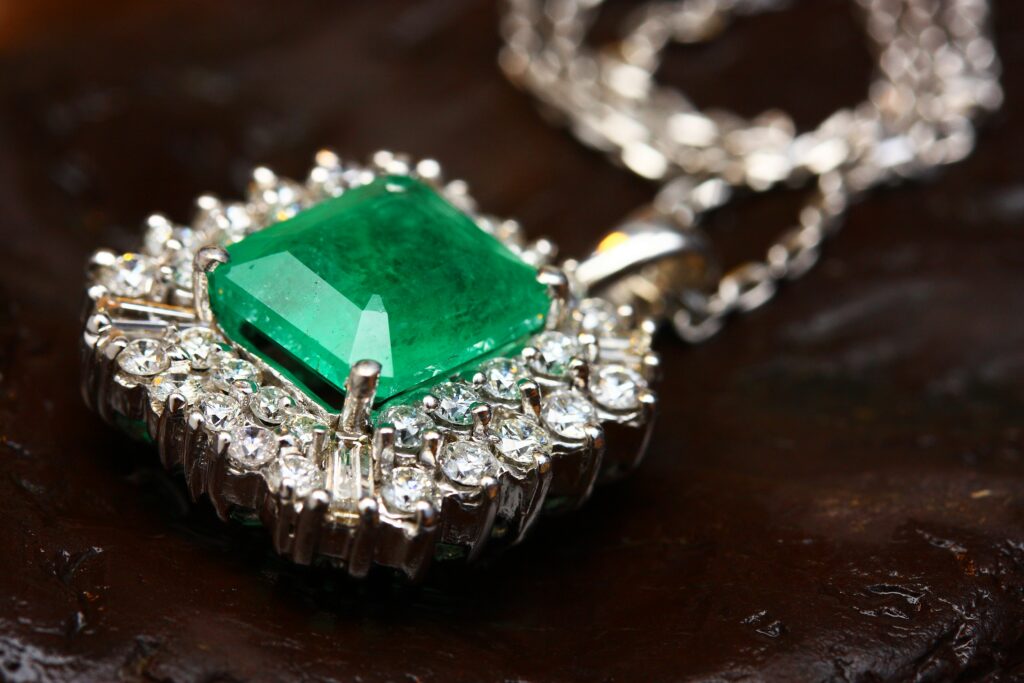
Colombian emeralds are among the most sought-after gemstones in the world because they combine rare geology with consistently strong gem quality. Buyers pay a premium when a stone shows vivid “Colombian green,” good brilliance, and visible beauty despite natural emerald inclusions.
Unlike many gemstones where origin is mostly a story, emerald origin can be tied to real differences in crystal growth, deposit characteristics, and typical treatment history. That is why “why are Colombian emeralds valuable” usually comes back to a few measurable factors: color, clarity (as graded), size availability, and treatment disclosure.
In the market, value also depends on trust. Independent lab reports, clear disclosure of enhancement, and accurate grading help buyers compare stones fairly, which supports higher prices for well-documented Colombian material.
Colombia’s emerald reputation is built on multiple producing regions, each with its own typical look. Even when stones are graded by the same system, the source can influence how color forms, how inclusions appear, and what sizes are commonly found.
For buyers, the mining region matters because it shapes expectations. “Muzo-style” and “Chivor-style” emeralds are not official grading categories, but they describe patterns gem dealers often observe in the market ( like the one in Bogota).
Muzo emeralds are widely considered the classic Colombian benchmark for deep, saturated green. Many buyers expect strong color with a rich tone, even when the stones include visible natural characteristics.
From a buying perspective, Muzo material often appears to deliver more “intense green” look per visible rough origin. That perception helps support higher demand for stones showing that classic Muzo character.
Chivor emeralds are often described as having a slightly different balance of color and tone compared with Muzo. Dealers frequently value Chivor stones for their vividness and pleasant transparency, though the exact look varies by individual deposit blocks.
Chivor is also known for producing stones with a more “lively” visual impression for some buyers. In practice, that means two stones can both be “Colombian,” but the market may price them differently based on how the color reads face-up.
Coscuez is important because it broadens the range of emerald quality found in Colombia. In many markets, diversity of output matters because it gives collectors options across budgets while also affecting overall scarcity of top-tier stones.
Because not every production lot is the same, Coscuez material can show variation in color intensity, clarity appearance, and how stones take polish. That is one reason why “colombian emeralds price” can swing widely even when both stones come from the same country.
Emerald value is strongly driven by color, and for good reason. Emerald is colored by chromium and sometimes vanadium, and the way those elements sit in the crystal structure produces the green that buyers recognize as “emerald green.”
When a stone has strong color, people often forgive more visible inclusions because the green still looks beautiful. When color is weak or too yellow/blue-leaning, the same stone often loses value even if it is well-cut.
Gem labs describe color using terms like hue, tone, and saturation. “Hue” is the basic color family (green vs. bluish green), “tone” refers to how light or dark it looks, and “saturation” is how strong or pure the color appears.
Buyers can use these ideas to evaluate stones quickly. A top value emerald generally shows a pleasing green hue, medium to deep tone (not too washed out and not too dark), and good saturation that stays consistent across the stone.
Because emeralds often show natural internal features, color consistency across the stone face is especially important. A stone can have great color in one area and weaker color in another, which impacts grading and pricing.
Colombian emeralds are famous for producing a specific type of green that many buyers describe as vivid, lively, and deeply saturated. This reputation has been reinforced for decades by major discoveries and by how Colombian stones have performed in high-end jewelry.
Several factors support this premium perception. Colombia’s geology can produce crystals with favorable growth conditions, and skilled cutting helps preserve how the color reads through the stone.
Another factor is market awareness. When buyers see Colombian origin on a report and the stone matches expected color behavior, they often have less hesitation, and that confidence can support higher prices.
Emeralds form with natural internal features, and that is part of the gemstone’s identity. Inclusions (often called “veils,” “jardin,” or crystals within the stone) are common because emerald crystals grow in a mineral-rich environment.
Unlike diamonds where the goal is often invisibility of internal features, emeralds are typically judged on a different balance of beauty and durability. In gem grading, the “clarity” score considers both how inclusions affect appearance and how they may affect long-term stability.
Inclusions can be easy to see, yet some emeralds remain extremely valuable if the color is strong and the stone is visually attractive. A well-known emerald fact is that a stone may score “lower clarity” on a lab report but still command a premium because of its overall look.
Inclusions matter in three practical ways:
For collectors and jewelry buyers, “untreated colombian emeralds” and “emerald clarity and color” are often linked. In practice, better color can offset inclusions visually, while visible fractures can reduce willingness to pay if the stone looks fragile.
How an emerald will be used changes what clarity is “acceptable.” Cabinetry pieces (stones mounted in a way that avoids daily impacts) can often tolerate more visible inclusions than stones designed for frequent wear.
For jewelry, buyers also think about how the stone is set. A protective setting, good prong design, and avoiding stress points can help preserve an emerald, especially when inclusions or fractures are present.
This is why two stones with similar reports can sell differently depending on intended use. Retailers often price emerald jewelry with a durability lens, not only a lab-number lens.
Size affects value because larger gemstones are far rarer, especially when you require both strong color and acceptable appearance. Even if two stones are similar in quality, a larger stone often sells for a much higher price.
Cut and craftsmanship also influence how color and clarity appear to the eye. Emeralds are usually cut as step cuts (like emerald cuts) or modified cuts designed to show the color through flat facets.
Gem rarity is not linear, meaning that going up in carat weight usually increases difficulty faster than most people expect. Mines can produce many small or medium stones, but large stones with excellent color and manageable inclusions are much less common.
Demand also concentrates on bigger, clean-looking sizes because they create stronger visual presence in jewelry. That combination—scarcity and preference—helps explain why emeralds with higher carat weights often show outsized value increases.
Emerald cuts are popular because they emphasize color and minimize unwanted visual distractions from internal features. Step cuts create a window into the stone, and when the proportions are right, they make green look deeper and more even.
Cut quality also affects the stone’s “face-up” look. If the pavilion angle or depth is off, light can leak or return less effectively, which can make the stone look darker or duller.
Craftsmanship matters beyond the basic style. The polish quality and how evenly facets are aligned can influence brightness, symmetry, and how inclusions appear when viewed from different angles.
Emerald grading and certification matter because they reduce uncertainty in a complex market. Emeralds are natural and often treated, so a clear report helps buyers understand what they are paying for.
Even if two stones are described as “Colombian,” the grading report is what turns that claim into measurable information. That is why emerald grading is closely tied to emerald value and why independent documentation supports resale confidence.
Most reputable reports evaluate multiple features, including color description, clarity characteristics, and sometimes enhancement indicators. “Enhancement” means treatment used to improve appearance, such as oil or resin that fills fractures.
While different labs may present wording differently, you’ll typically see parameters such as:
Important note: emerald grading often reflects a balance, not a “perfect stone” target. A grading report can acknowledge that emeralds are naturally included while still rewarding stones with better color and less compromising internal features.
Independent certification improves trust because it gives buyers a second opinion and standardized documentation. This matters especially for emeralds, where “market descriptions” can be subjective.
For resale, a credible report helps buyers verify origin claims, color identity, and treatment status. That transparency lowers perceived risk, and lower risk usually supports better pricing.
When evaluating a stone, always check that the report matches the physical gemstone (measurements, cut style, weight). Mismatches can signal errors or, in worst cases, problematic labeling practices.
Most emeralds sold commercially have undergone some form of treatment, mainly because natural emerald crystals frequently have fractures. Treatments can improve clarity appearance and make the stone look more evenly colored and transparent.
This does not automatically make a stone “bad,” but it does change how it should be valued. In most markets, untreated emeralds typically command a higher premium than treated stones because fewer stones meet that condition.
The most common enhancement involves filling fractures with colorless or slightly tinted substances, often described as oil or resin. This can reduce the visual effect of internal fractures and help the emerald look clearer to the eye.
Buyers should understand a key idea: an emerald’s natural look and a treated emerald’s look can be similar from a distance, but they can differ under certain lighting and over time. Treatment level and durability expectations are part of how markets price stones.
In practice, sellers should disclose treatment type and whether an emerald is marketed as untreated. If the disclosure is missing or vague, it’s a red flag for valuation and long-term care.
“Untreated” claims should never be accepted blindly, especially in a market where enhancement is common. The best approach is to rely on credible reports and transparent seller disclosure.
When a stone is marketed as untreated, you should look for:
Even with documentation, it’s smart to treat “untreated” as a technical claim, not a marketing slogan. If the seller can’t explain what “untreated” means in their context, ask more questions or request clarification.
Colombian emerald pricing is shaped by both physical supply and market behavior. When top-quality stones are limited, buyers compete more strongly for the best color and size, which pushes premiums higher.
Celebrity, luxury jewelry houses, and investor interest also influence demand. When emeralds trend in high-end settings, demand for color-matched stones can rise quickly, even if overall supply remains stable.
Scarcity is not only about how many emeralds exist, but how many meet high standards at the same time. High-grade Colombian emeralds—vivid green, attractive clarity appearance, and good size—are a small fraction of total production.
As a result, when demand rises, the limited supply of top-tier stones is what moves the market. That is why emerald value can grow faster for high-quality items than for stones that sit lower on the grading spectrum.
High-end jewelry and auction results create visible benchmarks for pricing. When a stone with well-documented origin and quality sells at a strong price, the market often uses that outcome as reference for similar characteristics.
Luxury retailers also influence expectations about what “good” looks like, especially for color. Over time, that shapes buyer preferences, which then affects what gets produced, cut, and priced.
The result is a market where documentation and appearance both matter. A verified Colombian emerald with the right green can carry value far beyond generic descriptions.
Buying Colombian emeralds without overpaying requires focusing on verifiable quality, not just origin. Since emerald value depends on multiple layers—color, clarity appearance, size, treatment status, and certification—your strategy should match those layers.
Before you compare prices, decide what you’re buying for. Is it for everyday wear, a collector’s piece, or a future resale plan? Your goal determines which compromises are acceptable.
Use a checklist to reduce uncertainty. The goal is to confirm that the stone you’re considering is accurately described and that the asking price matches the documented quality.
If possible, view the emerald face-up and at angles. Emerald color and inclusion visibility can change with lighting and viewing distance, so your eyes should confirm the report’s story.
Value strategy depends on budget, but the same principle applies: prioritize the factor that most affects beauty for your intended use. For many buyers, color comes first because it is the most immediately visible quality.
At different budgets, a practical approach often looks like this:
Also remember that “untreated” premiums can be significant. If budget is limited, you may find better overall value by choosing well-treated emeralds with great color and solid grading—provided the treatment is disclosed and documented.
Finally, avoid comparing prices without reading the full report. Two stones with the same carat weight can have very different color and clarity outcomes, and those differences are exactly what determines emerald value.
Colombian emeralds cost more because their value is built on multiple real drivers, not just marketing. Origin matters, but it only translates to premium prices when the stone delivers the “right” green and a quality profile that fits the grading system.
The key reasons include color strength (hue, tone, and saturation), how inclusions affect clarity appearance, the rarity of larger high-quality sizes, and the confidence provided by emerald grading and certification. Treatments also play a major role, since treated stones are often priced differently than stones marketed as untreated.
When you combine geology, cut craftsmanship, verified documentation, treatment disclosure, and market demand, the premium for Colombian emeralds becomes clear. For buyers, the best way to avoid overpaying is to prioritize color first, verify clarity and treatment through trusted reports, and compare stones with like-for-like characteristics.