
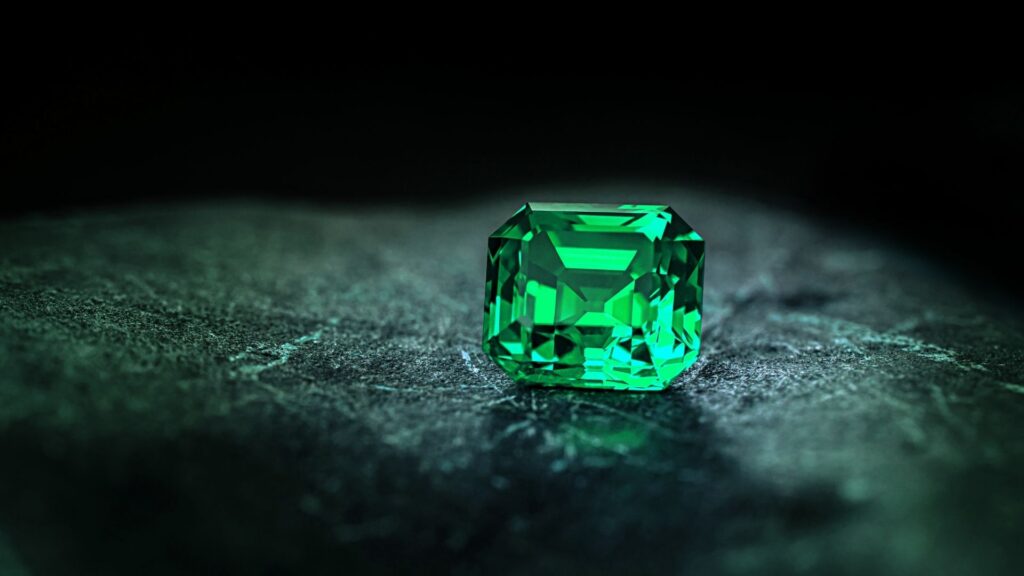
Gem value starts with appearance, but it quickly goes beyond “pretty.” Two stones can look similar to the naked eye and still have very different prices because gemologists measure quality, detect treatments, and account for rarity and demand.
In most markets, gemstones are priced using a mix of objective grading and market behavior. That’s why buyers and appraisers rely on more than a photo, even when the stone looks flawless.
When people ask “what makes a gem valuable,” they are usually asking about the combined effect of these factors:
Most gem pricing begins with grading, which is the structured way professionals describe a stone’s key characteristics. “Grades” are not guesses; they are based on observation, measurement, and agreed standards.
Grading standards aim for consistency, but they do not always look identical across every lab and every gemstone type. That is why buyers should read the certificate language carefully instead of relying on the grade alone.
Cut is often the biggest driver of “sparkle” in faceted stones, especially diamonds and many gemstones cut in a similar style. A great cut helps light enter the gem, reflect inside, and return to your eyes with strong brilliance and fire.
Cut quality depends on proportions (the angles and relationships of the facets) and finish (how accurately the surfaces are shaped). Even with the same carat weight, a better cut can look brighter and can be priced higher because it delivers a stronger visual effect.
Appraisers and gemologists commonly evaluate cut by looking for factors like:
Because cut influences appearance more directly than many other factors, two stones with equal color and clarity may still show very different beauty and resale value. This is also why “ideal” cuts usually command premiums.
Color is one of the most important value factors for most gemstones, especially colored stones. But “color quality” is not just about whether the stone is bright or dark; it includes hue, tone, saturation, and sometimes pattern effects like color zoning.
Hue means the main color family, like blue, green, or red. Tone describes how light or dark the color appears, while saturation describes how strong or vivid the color is.
Desirable color depends on the gemstone. For example, many people prefer intense “royal” blue for sapphire, while emerald often needs a rich green with good clarity for best value.
Color zoning—uneven bands or patches of different color—can reduce value because it can make the gem look less uniform. In some cases, zoning is not easy to see without careful viewing, but graders and appraisers still consider it when they assess quality.
Even within the same color family, the market can value different shades differently depending on trends. A slightly different hue may sell faster or at a higher price because it matches what buyers are looking for.
Clarity describes how many internal features and external surface marks a gemstone has. The reason clarity affects value is simple: features can reduce light travel and may be visible when you look closely.
In most grading systems, inclusions (internal characteristics) generally matter more than blemishes (surface marks). However, certain surface issues can also be important, especially if they affect durability or the gem’s appearance.
Gemologists evaluate clarity by using magnification and comparing the stone to reference standards. They also consider whether the stone is “eye-clean,” which means inclusions are not noticeable to the average viewer without magnification.
Eye-clean thresholds often create pricing steps. For instance, a stone that is technically a lower clarity grade but still appears clean may be valued higher than another stone with inclusions that are visible under normal viewing.
When a stone has noticeable inclusions, buyers may discount it because the features can break the impression of smooth beauty. When inclusions are small and well-placed, they may have less impact on value.
Carat weight is the measure of a gemstone’s size, with one carat equal to 0.2 grams. Carat matters because larger stones are usually rarer and more impressive visually.
However, value does not always increase in a simple straight line as carat increases. Larger stones also tend to require more good material from the rough, and cutting them can be harder, which adds cost and limits supply.
Value is often proportional to quality as well, meaning carat premiums can change depending on cut and color. A larger stone with weak cut or poor color may not command the same premium as a smaller stone with stronger overall quality.
In many markets, you will see the strongest premiums for:
This is why “bigger” is not automatically “more valuable.” The best value usually comes from the balance of size and visual performance.
Rarity is the supply side of gem value. When a certain type of gemstone—or a certain grade of that gemstone—becomes harder to find, prices can rise even if the stone is not necessarily “better” in a strict technical sense.
Origin and supply dynamics also matter because gemstones do not appear in equal amounts around the world. A mining region can have cycles of discovery, then years of reduced output, which affects market availability.
Origin can influence value because certain regions develop reputations for specific qualities. This reputation might be based on historic performance, typical color ranges, or consistent production of gem material.
Traceability is also increasingly important to buyers. Knowing where a gem came from helps reduce risk and can align with ethical sourcing expectations.
Origin can raise value when it leads to one or more of these outcomes:
Even when two stones have similar grades, buyers may pay more for stones with a recognized origin if the market assigns extra trust or desirability to that source.
Gem prices are affected by how quickly material replenishes. Mining output is not constant, and large changes in supply can move prices up or down.
When a demand level stays strong while supply decreases, prices tend to rise. When more material enters the market, it can soften prices, even if quality remains consistent.
Supply also includes how quickly stones move from rough to polished goods. Delays in cutting, changes in labor costs, or fluctuations in shipping and trade can all affect the market supply of finished gems.
Over time, the “best” material can become scarce, leaving fewer stones that match the most desirable grading ranges. That scarcity often creates bigger gaps between the premium stones and average stones.
Demand is the other half of the value equation. Even if a gemstone is objectively high quality, it still needs buyers who want that color, that style, and that story right now.
Consumer taste changes with fashion, social media trends, and cultural preferences. For example, certain blue tones or deep greens may become more popular during different periods, pushing prices higher for stones that match the trend.
Demand is also affected by how gemstones are used in jewelry. Stones that can be cut into popular shapes or that work well in common settings may sell more easily, which supports pricing.
When a gemstone is widely understood and marketed—like many people’s familiarity with diamonds—demand can be steadier. Less-known gemstones can become valuable when education and visibility increase demand.
Certification reduces uncertainty, and uncertainty is costly for buyers. A trusted gem certificate helps confirm identity and key quality details, which makes pricing more fair and easier to verify.
Without certification, buyers rely on the seller’s reputation and general appearance. That increases risk, so buyers often discount the price to protect themselves.
Certificates also support resale. When a stone can be matched to a documented report, it becomes easier for other buyers and dealers to assess its value.
Major gemological institutes and third-party labs play a key role in establishing grading credibility. Their reports follow standardized methods and typically include details that help verify what the stone is.
When a lab is trusted, the market uses the certificate as a reference point for price. Two stones with identical appearance may be priced differently if one has a credible report and the other does not.
What labs generally help with:
It is still important to remember that certificates do not guarantee a “perfect investment.” They mainly reduce the risk of misinformation and give buyers a consistent baseline for comparison.
An appraisal report is a professional statement of value that is typically intended for purposes like insurance, resale planning, or estate documentation. Appraisals can be based on market data and similar sales, but they differ from lab grading.
Where a gem certificate confirms what the stone is and how it grades, an appraisal focuses on what a buyer would pay in a defined scenario. That scenario can change the value: retail replacement cost is not the same as wholesale value, and “fair market value” is different from “insured value.”
Common elements you may see in an appraisal include:
For buyers, the appraisal matters because it frames a realistic price expectation. For sellers, it can help justify pricing—especially when it aligns with current market activity.
A certificate should not be treated as a “magic stamp.” Smart buyers verify documentation by checking that the certificate matches the exact stone and that the lab is reputable.
Verification is especially important when buying high-value gemstones or stones with treatments. Small differences between labs or misassigned report details can lead to major price differences.
Practical checks include:
If you cannot verify the certificate, it is often safer to assume the value may be inflated. In gem pricing, documentation is one of the strongest ways to control risk.
Treatments can dramatically change how a gemstone looks, and they can also affect durability. Because of that, treatments usually reduce value compared with comparable untreated stones, unless the market is specifically paying for treated beauty.
“Treatment” means any process used to improve color, clarity, or appearance. This can include heating, diffusion, filling, coating, irradiation, or other methods.
Disclosure matters because buyers have different expectations for natural origin and long-term ownership. A stone that is beautiful but undisclosed as treated carries extra uncertainty, and uncertainty often lowers the price.
Not all treatments are equal in terms of permanence, risk, or impact on grading. Some treatments are stable and widely accepted, while others can be more sensitive to heat, light, or wear.
In general, treated stones may be priced lower than untreated stones with similar visual quality. The size of the discount depends on the treatment type, the gemstone species, and how confidently the market understands the treatment effect.
Typical categories include:
For pricing, appraisers consider both appearance and treatment disclosure. Even if the treated gem looks excellent, buyers may pay less than for an untreated gem because of perceived risk and reduced rarity.
Many consumers prefer “natural” stones, especially for gemstones associated with classic value perceptions. “Natural” usually means the stone’s color was not created or significantly altered by man-made processes.
Heated stones are often viewed differently than irradiated stones because heating is common and may be stable. However, market opinions vary, and buyers may apply different premiums or discounts depending on the specific gemstone and the clarity of disclosure.
In practice, the market tends to reward:
When disclosure is clear and trustworthy, treated stones can be excellent buys—especially if you’re buying for beauty rather than long-term “natural-only” scarcity. The key is that you should know what you own before you set your price expectations.
Durability is a practical value factor. A gemstone’s beauty is important, but the best long-term ownership value usually goes to stones that can handle everyday wear without losing appearance or becoming damaged.
Durability affects both replacement cost and long-term enjoyment. In many cases, two gems with similar grades may have different prices because one is more suitable for rings or daily jewelry use.
Hardness refers to resistance to scratching, often described using the Mohs scale. The Mohs scale is a simple ranking system: higher numbers mean harder stones that scratch less easily.
Hardness is not the full durability story, though. Cleavage matters too—cleavage is how a gem can split along certain planes, which can make a stone vulnerable to impact even if it is relatively hard.
When assessing practical value, consider how easily the stone can be damaged by common hazards like knocks, setting contact, and surface wear. For example, stones with perfect or distinct cleavage may need protective settings and careful handling.
Durability affects pricing because buyers want confidence. A gemstone that requires more caution may sell for less for jewelry purposes compared with a more resilient alternative.
Formal grades capture many measurable traits, but they do not always describe how appealing the stone looks in real life. Luster, transparency, and “overall visual appeal” can raise or lower perceived value even within the same grade range.
Luster means the quality of surface shine and reflection. Transparency describes how well light passes through the stone, which can dramatically change the way color appears.
A stone with strong visual appeal may command a premium because it looks better than its grade suggests. Conversely, a stone with a higher grade but dull appearance may not satisfy buyers, which can reduce resale interest.
For colored gemstones, the way color “plays” with the stone’s light performance often matters as much as the assigned grade. This is one reason appraisers often look at the stone in person rather than relying solely on paperwork.
Gemstone pricing is not as fixed as commodity pricing. It depends on changing preferences, supply timing, and the availability of comparable inventory that matches current demand.
Because many gemstones are sold through dealers and boutiques rather than a single exchange, pricing can vary by location and channel. You may see different prices for similar stones simply due to different overhead, service levels, and inventory constraints.
Retail prices usually include profit margins, marketing costs, and operating overhead. Wholesale pricing often reflects what a dealer can buy or resell for after accounting for risk and inventory costs.
This means you should expect different numbers depending on whether you are comparing retail listings, dealer pricing, or appraised replacement values. When comparing gemstones, always understand the pricing channel.
Key drivers of markups can include:
Appraisals and purchase offers often fall between these channels. A fair comparison uses sold or transaction data when possible rather than only asking prices.
Liquidity describes how quickly and easily a stone can be sold without a large price cut. Some gemstones have strong liquidity because buyers widely understand them and because demand is consistent.
Stones with high liquidity can be easier to resell, which supports value stability. Stones that are niche—either in species, color, cut style, or treatment status—may take longer to sell and may require discounts.
Liquidity is influenced by factors like:
Even if a stone is high quality, low liquidity can reduce practical resale value. For buyers thinking about long-term value, liquidity is a major part of the “real world” answer.
Gem prices can shift due to supply changes, major discoveries, or major trade and policy events. Even news about treatment detection, sourcing concerns, or market sentiment can influence buyer confidence.
Macroeconomic factors also play a role. When discretionary spending rises, luxury goods demand often increases, which can support gemstone prices.
Over time, the market may reward certain gem species or styles based on trend cycles. That is why the “best” buying strategy depends on your goals: beauty, portfolio diversification, or faster resale.
Long-term trends are not always predictable, but they are measurable through sold listings, dealer inventory changes, and certification data. Watching those signals helps you avoid paying premiums that the market may not sustain.
Valuing a gemstone is easier when you treat it like a process rather than a single opinion. A careful evaluation combines identification, grading, treatment disclosure, and realistic market comparisons.
Use the steps below as a practical checklist. If anything important is missing—especially identification or treatment disclosure—assume risk and negotiate accordingly.
Start by confirming the stone’s identity and the details in its documentation. Look for credible lab reports and ensure the report can be matched to the exact stone.
This step matters because misidentification can lead to major price errors. Some gemstones can look similar, but their value and durability can differ greatly.
What to verify:
If a certificate is not available, consider whether the seller can provide independent verification or credible testing. When verification is weak, your valuation should include a discount for uncertainty.
Next, compare the stone’s quality to similar stones in the same market segment. Compare cut quality, color tone and saturation, clarity/eye-clean appearance, and carat weight using comparable listings.
Because gemstones are individualized, the closest matches are often stones with similar grades and similar visual appearance. A higher-grade stone can still look worse if cut or color distribution is less attractive.
When comparing, also consider:
Be cautious about comparing only by carat weight or only by one grade. The strongest pricing matches come from comparing the combined “package” of quality factors.
Treatments should be clear before you finalize your value expectation. Ask what is known about treatments, and whether the certificate includes any treatment indicators or descriptions.
Also review warranty policies and return terms. A good seller policy reduces risk, especially for stones where minor differences in treatment disclosure could affect price.
Questions to ask:
If a seller cannot clearly explain treatments, that missing information should lower your confidence. Price should reflect that uncertainty.
Finally, use comparable evidence to avoid overpaying. Ideally, rely on sold or current market transaction data rather than only asking prices.
If you are buying a high-value stone, request comparable appraisals or documentation that aligns with recognized market values. An appraisal can guide expectations, but it must match the correct valuation purpose.
Use comps effectively by comparing:
When you build a value estimate from multiple comparable references, you create a more reliable pricing range. That range helps you negotiate and keeps you anchored when marketing language tries to push the price higher.
Gem value is the combined result of quality, rarity, trust, treatment status, durability, and market demand. A gemstone’s “look” matters, but it becomes truly valuable when it matches strong grading, credible documentation, and realistic buyer interest.
When you evaluate a gem using the key factors—cut, color, clarity, carat; rarity and supply demand; certification and appraisal trust; treatment impact; and real-world durability—you get a practical definition of value that goes beyond hype.
Ultimately, the best buying decisions come from understanding how these factors interact. A great-looking stone with poor documentation or undisclosed treatments may be risky, while a well-documented stone with strong grades and transparent disclosure often provides the most confidence for fair pricing.