
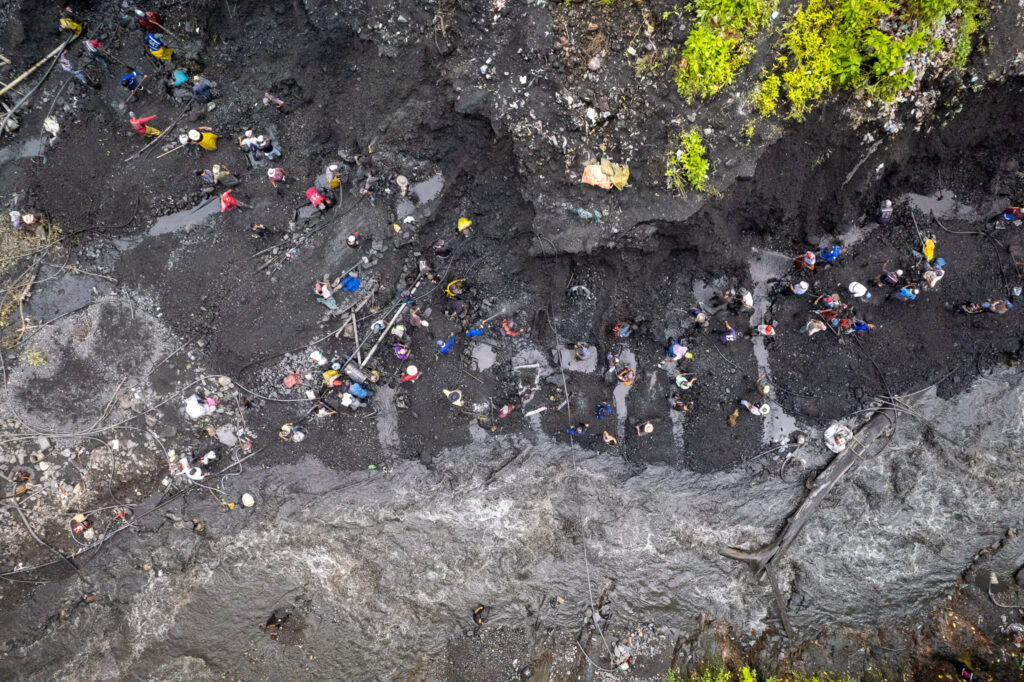
Mine scale affects impact because it changes the size of the disturbance, the amount of material moved, and the level of formal control. Larger projects usually move more earth and water, but small operations can multiply into many sites that together stress the same ecosystem. In both cases, the “real” risk is shaped by how well sites are designed, regulated, operated, and closed.
Scale also influences oversight. Big mines typically require permits, baseline studies, monitoring plans, and reporting, while small mines may operate informally or with uneven enforcement. This difference matters because environmental damage is often not sudden—it accumulates through runoff, leaks, tailings buildup, and erosion over time.
Cumulative damage is another key reason scale changes outcomes. One large mine can dominate regional water use or habitat loss, especially where water is scarce. Many small mines can add up through road building, scattered pits, and repeated disturbance along the same river systems, creating long-term pressure that is harder to track.
“Small” and “big” are not just about headline size. They usually differ in equipment, workforce, technology, management systems, and whether the operation must follow formal environmental and safety rules. It’s also important not to assume one scale is always worse, because a small mine with poor practices can cause severe local harm, while a large mine with strong controls can do less damage than expected.
In practice, the best way to compare is to look at what each mine does to land, water, air, and people—and how long those effects last. Mining type also matters: hard-rock gold, copper, coal, tin, and lithium projects can behave very differently. Even within the same metal, different ore bodies and processing routes can change water chemistry and waste risks.
Small-scale mining often includes artisanal and small operations, where workers may extract ore with simple equipment. Work can be seasonal or informal, and safety standards may vary widely from site to site. Because formal planning and monitoring are limited, waste handling and water controls can be inconsistent.
Common features include manual or small-machine processing, less reliable containment for waste, and variable training. In some places, ore is crushed and concentrated on-site using methods that may not fully control dust or chemical exposure. The footprint may be smaller per site, but the site can still create major impacts if it sits near rivers, wetlands, farms, or settlements.
Typical characteristics include:
Large-scale mining is usually industrial mining with heavy machinery, standardized procedures, and formal permits. These projects often include engineered waste systems, water management infrastructure, and ongoing monitoring. They are also more likely to publish environmental plans and performance summaries, which can make risks more visible.
Large mines typically use higher-capacity processing and power systems, which can increase emissions and energy use. They also tend to have bigger land disturbance footprints, plus roads and workforce housing that expand indirect effects. However, large mines may reduce some harms through technical safeguards, such as controlled tailings storage and treated water discharge.
Typical characteristics include:
Environmental impacts from mining depend on how much material is disturbed, how waste and water are managed, and what the local ecosystem can tolerate. Scale changes the geometry of harm: small operations may cause many local scars, while big operations can create larger, more continuous pressure. Either way, the risk rises when mining is near sensitive habitats, water sources, or areas with steep slopes and fast runoff.
Another important point is that mining impacts often persist after extraction ends. Land disturbance can continue to erode, waste can keep producing contaminated runoff, and water chemistry can change for years or decades. That long tail is why closure planning and long-term monitoring are central to “impact,” not only active mining.
Land degradation begins with clearing vegetation and topsoil, which reduces natural stability and increases erosion. Small mines may disturb land in scattered pits and small processing areas, while large mines can clear wide zones, including long access roads and waste corridors. In both cases, the loss of soil cover makes heavy rains more likely to wash sediment into streams.
Spoil heaps and exposed rock can create additional problems. When rock is exposed to air and water, chemical reactions can produce acidic runoff or metals-rich seepage, even from “non-tailings” areas. Large mines often engineer waste placement and drainage, but if controls fail, their larger exposed areas can produce bigger runoff volumes.
Key land-scale differences include:
Water impacts are often the most visible and most harmful, because they affect drinking water, irrigation, and aquatic life. Mining can introduce sediment, chemicals, and altered water chemistry through runoff, seepage, and processing effluent. Sediment alone can smother fish habitat and reduce water quality, while chemical contamination can persist and bioaccumulate in food webs.
Acid mine drainage is one major concern, especially in sulfide-bearing rocks. It means exposed minerals react with water and oxygen to form acidic water that can carry dissolved metals. Mine dewatering adds another pressure, because pumping groundwater to keep pits dry can change local water tables and reduce flow to wells and springs.
Access and competition can also rise with scale. Large mines may divert or use large volumes of water for processing and dust control, potentially straining rivers during dry seasons. Small mines can also reduce water access if they rely on river extraction, damming, or unregulated pumping, especially where communities already face water stress.
Common water pathways to evaluate include:
Air pollution from mining often shows up as dust and fine particles (particulate matter). Dust can irritate eyes and lungs, reduce visibility, and coat vegetation, affecting plant health. Scale matters because large operations usually have more machinery, more blasting, and more sustained activity, which can increase total dust and emissions—especially if management is weak.
Blasting can also disturb air quality and add vibration impacts, with stronger effects near the blast site. Diesel-powered equipment is a major source of exhaust emissions in both small and large mines, but industrial mines may have newer equipment and better emission controls. Small operations may rely on older engines and fewer maintenance practices, which can increase smoke and uncontrolled exhaust.
Greenhouse gas emissions are linked to energy use and fuel consumption. Large mines can be energy-intensive because of comminution (crushing and milling), pumping, and processing, while small mines may use less energy per day but still operate for long periods with limited efficiency. In either case, better energy management, electrification, and dust suppression can reduce air impacts.
When assessing air risk, it helps to track:
Mining affects biodiversity through habitat loss, fragmentation, and changes in water quality. Even if a mine is not “huge” in area, roads and pipelines create access routes that can increase logging, hunting, and settlement. Large mines often build extensive infrastructure, which can fragment habitats more strongly across a wider area.
Habitat sensitivity matters. Mining impacts tend to be higher in areas with endemic species, wetlands, river floodplains, or seasonal migration routes. A small mine located in a sensitive zone can cause a disproportionate impact, while a large mine in a less sensitive landscape might still cause major losses but with different severity patterns.
Road building and altered hydrology are key drivers. Streams can be redirected, wetlands can dry, and animal movement corridors can be blocked. For long-term biodiversity outcomes, restoration quality and timing matter: replanting alone is often not enough if soil chemistry and hydrology remain altered.
Signals that biodiversity risk is high include:
Waste is central to mining’s long-term environmental footprint. Tailings—finely ground material left after valuable minerals are extracted—can contain reactive minerals, residual chemicals, and metals. Waste rock piles can also leach contaminants, especially when exposed to water and oxygen.
Scale affects waste risk through design complexity, governance, and monitoring capacity. Large operations often use engineered tailings storage facilities with structured safety factors, instrumentation, and emergency response planning. Small operations may store waste in pits or piles with limited containment, increasing the chance of uncontrolled releases during storms.
However, “more waste” doesn’t always equal “more risk” if a large mine has strong safeguards. Conversely, a small mine without containment can create severe local pollution that spreads quickly in nearby drains and rivers. The best comparison comes from how tailings and waste are managed over time—not from mine size alone.
Tailings facilities pose risks mainly when containment, monitoring, and operational controls fail. A tailings failure can release fine particles, contaminated water, and toxic substances downstream. Even without catastrophic failure, tailings can leak through seepage or erode if not properly protected.
Large mines are typically required to follow higher engineering standards and provide regular monitoring. This can include slope stability assessments, water balance modeling, pore pressure measurement, and frequent inspections. They may also have an emergency plan with downstream alert systems.
Small mines often lack engineered tailings structures and may place tailings in ways that are hard to control. Waste can be stored without liners, covers, or drainage systems, and it can enter rivers during heavy rainfall. In informal settings, there may be no clear responsibility for monitoring, which reduces the chance that early warning signs are acted on.
To compare tailings risk responsibly, look for evidence of:
Waste management includes how waste is stored, covered, drained, and eventually reclaimed. Reclamation means restoring land so it becomes stable and less harmful to water and ecosystems. Rehabilitation quality is influenced by budgets, technical capacity, and whether closure is planned early or treated as an afterthought.
Large mines generally have more formal closure planning and may set aside funds for long-term care. That can support ongoing treatment of contaminated water and long-term monitoring after mining ends. Small mines may close without cleanup, leaving unstable piles and contaminated runoff routes behind.
Still, reclamation success depends on implementation. A mine can have a closure plan but fail to execute it fully due to funding shortfalls, governance problems, or delays. So both scale and governance quality must be evaluated together.
Important questions include:
Environmental pressure is often cumulative even when each mining site seems small. Many small operations can create a “patchwork” of disturbed land across a watershed, multiplying erosion and sediment loading. Over time, repeated disturbances can overwhelm the natural capacity of streams to recover.
In contrast, one large operation can dominate a region if it uses major water quantities or expands infrastructure. It can also create supply-chain effects, such as increased transport traffic, worker migration, and land conversion around the mine. Either pattern can change local ecosystems beyond the mine boundary.
For decision-makers and travelers, cumulative impact is hard to assess without data. It requires looking beyond the mine fence line to consider roads, power lines, processing sites, and waste transport routes. It also requires tracking how many sites operate in the same drainage area and what restoration outcomes have been achieved elsewhere.
Mining affects communities through health, livelihoods, land access, and governance. Scale can shape these outcomes by changing workforce size, economic dependence, and the intensity of land and water competition. Social harm can be subtle at first—like rising dust exposure or declining fish catches—and then become more severe when incidents happen or when water quality worsens.
At the same time, mining can bring jobs and infrastructure, especially with large industrial projects. The key is whether benefits are broadly shared and whether costs are managed fairly. Where communities lack bargaining power, the burdens often land on those with the fewest options to adapt.
Mining can provide employment, income, and local business opportunities, but it can also destabilize local economies. Big mines may create more jobs directly, but they can also import labor and skills from outside, leaving locals with fewer high-wage roles. Small mines may provide frequent informal work, yet income can be unpredictable and tied to ore prices and enforcement cycles.
Boomtown dynamics are a common risk in large-scale projects. Rapid population growth can strain housing, water supply, sanitation, and local services, while inflation can increase living costs faster than wages. When mining declines or closes, communities can face unemployment and reduced public revenues.
With small-scale mining, the economic pattern can be different. Income might shift between sites as conditions change, and informal employment can draw people away from farming or other steady work. If small operations then face crackdowns or safety incidents, workers can lose livelihoods quickly without compensation or retraining.
In either scenario, economic disruption depends on:
Health impacts often come from contaminated water, dust exposure, and workplace injuries. In small-scale settings, workers may handle ore and concentrate without adequate ventilation or protective equipment. That increases risk of respiratory problems and chemical exposure where chemicals are used in processing.
In large-scale mines, occupational safety can be better managed through training, safety systems, and formal procedures. However, risks still exist from machinery accidents, blasting-related injuries, and exposure to dust and chemicals if controls fail. Waterborne exposure can also affect communities beyond the workforce if effluent or seepage reaches rivers and groundwater.
Respiratory risks deserve special attention. Dust and fine particles can cause or worsen asthma and other lung conditions, especially among children and older adults. Eye irritation, chronic cough, and reduced air quality can occur even without dramatic “accident” events.
Health-related red flags to watch for include:
Land rights and cultural impacts can be a major source of conflict, especially when mining requires relocation, access restrictions, or long-term land conversion. Large mines are more likely to involve formal resettlement processes, but these can still fail if compensation is inadequate or if land tenure is contested. Small mines may operate on contested lands without clear legal rights, intensifying uncertainty for local residents.
Displacement is not only physical movement. Cultural effects include impacts on sacred sites, burial grounds, farms, and community meeting places. Losing access to these places can weaken social networks and identity, even when people are not formally relocated.
Whether impacts are managed fairly depends on governance and transparency. Clear land mapping, fair compensation, livelihood restoration programs, and legal grievance mechanisms can reduce harm. Without them, communities may face long-lasting disputes and mistrust.
Key questions to ask include:
Women and vulnerable groups often experience different risks and burdens from mining. This can include safety hazards from increased traffic and unsafe access to water, plus reduced access to resources that support household food and income. In informal mining areas, women may be involved in processing, trading, or unpaid work that increases exposure to dust and contaminated materials.
Children are also more affected by environmental changes because they spend more time near home and schools. When dust settles on playgrounds or when water quality worsens, the health effects can disproportionately affect younger people. Where water is diverted, families may spend more time collecting water, reducing time for education and rest.
Vulnerable workers in small-scale settings can face additional challenges. Informal labor often lacks protective equipment, training, and legal protections, and it may increase exposure to dangerous chemical processes. In both small and big mines, workers without stable contracts or those employed through subcontractors may have less access to safety systems.
To understand equity impacts, look for evidence on:
Environmental and social outcomes are strongly tied to governance. Mining impacts often correlate with whether permits exist, whether monitoring happens, and whether enforcement is consistent. In simple terms: rules on paper are only useful if they are implemented, funded, and followed.
Regulation also shapes information. It can require baseline studies, environmental impact assessments, emergency planning, and data disclosure. When communities can see monitoring results and understand what they mean, it becomes easier to challenge harm and demand improvements.
Enforcement gaps can be decisive. Many small-scale sites operate in legal gray zones, and even when laws exist, inspection capacity may be limited. Where oversight is weak, the incentive to prevent pollution decreases, and short-term extraction may continue even when risks are known.
Large-scale mines usually have more structured monitoring because permits require it. This often includes water quality sampling, air quality checks, tailings monitoring, and reporting to regulators. Data availability can support independent review and help communities track trends rather than relying only on rumors.
Small-scale mines may lack consistent monitoring due to limited capacity and formal reporting requirements. That makes it harder to prove causation, especially when communities experience health or crop impacts. It can also hide incremental harm, such as gradual sediment buildup that becomes severe only after several seasons of rainfall.
For comparison, consider:
Enforcement gaps can turn risk into reality. If a small mine is operating near a river without proper waste containment and inspections rarely happen, contaminated runoff may continue unchecked. Even when authorities know about problems, limited enforcement staff and resource constraints can delay intervention.
Informal activity can also complicate accountability. If operations change hands frequently or sites move, it becomes harder to ensure a consistent safety and environmental approach. Without clear responsibility, waste management may be treated as optional, and remediation may never happen.
Large mines can still face enforcement challenges, but they usually have stronger legal and financial incentives to comply. Permitting costs, contractual obligations, and reputational pressure can improve adherence. Still, compliance must be verified, not assumed.
Community participation affects impact because it changes how decisions are made and how harms are addressed. Consultation done early can prevent damage by adjusting site placement, water management, and transportation routes. Consultation done late, after damage is already underway, often becomes a public relations exercise rather than a true risk-reduction tool.
Grievance mechanisms are especially important for preventing long-term conflict. Effective systems allow residents to file complaints, receive timely responses, and access remedies. When grievance channels are missing or ineffective, communities may rely on protests, media attention, or legal action, which can escalate tension.
Consider whether participation includes:
Mitigation means reducing harm before it happens and repairing damage when it does. It must match the realities of each mining scale. The “best” mitigation for a small artisanal site will not be identical to the best mitigation for a large industrial facility, but both can reduce pollution and protect communities.
In general, mitigation works best when it is planned early and funded for the whole mine life, including closure. It also works best when monitoring is transparent and communities can check results. Without these conditions, mitigation may become a checklist rather than a real risk control.
Small-scale mitigation often starts with safer processing and better waste handling, using simple but effective controls. Dust reduction can be achieved through watering, improved handling of materials, and maintaining clean access roads. Water protection can be improved by preventing direct discharge into rivers and creating basic sediment traps and drainage controls.
Training and protective gear reduce occupational risks. Even basic improvements—gloves, masks appropriate to dust levels, and safe work practices—can lower injury rates and reduce exposure. When chemicals are used, proper storage, labeling, and handling rules are critical because mistakes can create high harm quickly.
Formalization can also reduce risk. When small operations are brought into a legal framework, they can be required to follow environmental controls and safety standards, and they can access support for safer practices.
Practical strategies include:
Large-scale mitigation focuses on engineered safeguards and rigorous oversight. Tailings safety management is a major area: strong design, conservative operational limits, monitoring systems, and emergency preparedness can reduce both seepage and catastrophic failure risk. Water treatment and management can prevent contaminated discharge and protect drinking supplies and irrigation uses.
Closure planning is another crucial mitigation point. Strong closure programs include progressive rehabilitation during operations, stable waste covers, and long-term water monitoring after shutdown. Financial assurances help ensure cleanup does not stop when operations end.
Independent audits and transparent reporting also matter. They help detect early weaknesses, allow corrective action, and build community trust when monitoring is shared openly and explained clearly.
Practical strategies include:
Restoration aims to stabilize land, reduce contamination risk, and support ecosystem recovery. For mining, restoration is not only about replanting vegetation; it also involves reshaping landforms, controlling drainage, and preventing further leaching. Water monitoring should continue long enough to confirm that risks are declining, not simply that they are temporarily “better.”
Biodiversity recovery planning should consider local ecology and seasonal patterns. A successful plan aligns plant species selection and soil conditions with what the ecosystem can realistically support. Restoration also needs maintenance, because erosion and invasive species can undo early progress.
Long-term outcomes depend on whether monitoring data leads to action. If monitoring shows contamination increasing, the operator must adjust controls and funding must support corrective measures. Without this adaptive approach, restoration can fail even when initial rehabilitation looks promising.
Good restoration signs include:
Travelers and local visitors can play an important role by asking good questions and looking for credible information. However, observation alone can mislead if it is based on one visit or on sensational claims. A responsible approach uses multiple sources, listens to community voices, and avoids spreading unverified allegations.
Start by learning how to recognize evidence. Evidence includes visible sediment changes, dust patterns, and waste handling practices, but it also includes documentation such as monitoring reports, permits, and community records. When possible, compare upstream and downstream conditions and look for changes over time.
It’s also wise to avoid actions that could harm people or property. Don’t enter unsafe areas, don’t take unnecessary risks near pits or tailings, and don’t interfere with operations. The goal is to understand risks, not to confront or “investigate” in ways that create danger.
Use questions that connect to specific pathways of harm. Ask about where water goes, what happens during storms, and how waste is contained. Community meetings and interviews are most useful when questions are focused and when you ask for examples rather than vague statements.
Practical questions include:
If you hear claims, ask for specifics. Credible claims often include dates, locations, named sources, or patterns that repeat over seasons. Also look for contradictions: if official reports show clean results but residents see fish kills and contaminated water daily, the gap deserves careful attention.
Responsible tourism supports learning without amplifying misinformation. Choose ethical operators who prioritize safety, consent, and respectful community engagement. Avoid “shock” content that turns suffering into entertainment, because it can harm communities by increasing stigma or triggering retaliation.
Support community-led reporting by using local sources as primary references. Local people often know the history of water changes, seasonal patterns, and site behavior during storms. If you share what you learn, do it carefully and attribute information to sources rather than guessing.
You can also encourage constructive accountability. Ask for meeting opportunities where officials and operators can respond to concerns, and encourage dissemination of monitoring results in plain language. This helps shift attention from conflict alone to solutions and measurable improvements.
Guidelines for ethical assessment include:
Small and big mines can both cause serious harm, but the patterns differ. Small-scale mining may create many scattered disturbance points with weak waste controls and uneven safety, while large-scale mining may dominate regional water use and biodiversity impacts through engineered but complex systems that require strong governance. In both cases, long-term outcomes depend on waste management, water protection, air controls, and rehabilitation.
The most important takeaway is that mitigation and enforcement often matter more than size alone. Strong permitting, monitoring, independent audits, community participation, and funded closure plans can greatly reduce damage at large operations. Strong training, basic waste controls, formalization pathways, and consistent oversight can reduce harm at small operations.
A better decision-making approach compares scale through real pathways of impact: land disturbance, water contamination risk, dust and emissions, tailings and waste safety, and community wellbeing. When those factors are measured and discussed openly, it becomes easier to push for safer mining—whatever its size.